Key Takeaways
- •CO is colorless and odorless - you can't detect it without equipment
- •Faulty chimneys and flues are a common source of CO leaks
- •Annual inspection can identify CO risks before they become dangerous
Carbon Monoxide Detection at a Glance
- CO level testing
- Detector installation
- Flue and vent inspection
- Risk assessment
- Safety recommendations
At Chimney Sweep Champ, our carbon monoxide detection services are designed to keep your home safe and your fireplace operating efficiently. We provide expert buildup cleaning along with chimney inspection to homeowners throughout the our service areas area.
The Silent Killer
Carbon monoxide is called the silent killer because it is colorless, odorless, and tasteless. You cannot detect its presence without specialized equipment. Symptoms of CO poisoning include headaches, dizziness, nausea, and confusion - often mistaken for the flu. High levels can be fatal within minutes. Fireplaces, furnaces, and other combustion appliances can all produce CO if not properly vented.
How Chimneys Cause CO Problems
Your chimney system is designed to safely vent combustion gases, including carbon monoxide, outside your home. When the chimney fails to do this properly, CO can enter your living spaces.
- Blocked or restricted flues
- Cracked or damaged flue liners
- Disconnected or deteriorated connectors
- Backdrafting from negative pressure
- Improperly sized flues
- Failed joints in prefab chimney systems
Our CO Detection Services
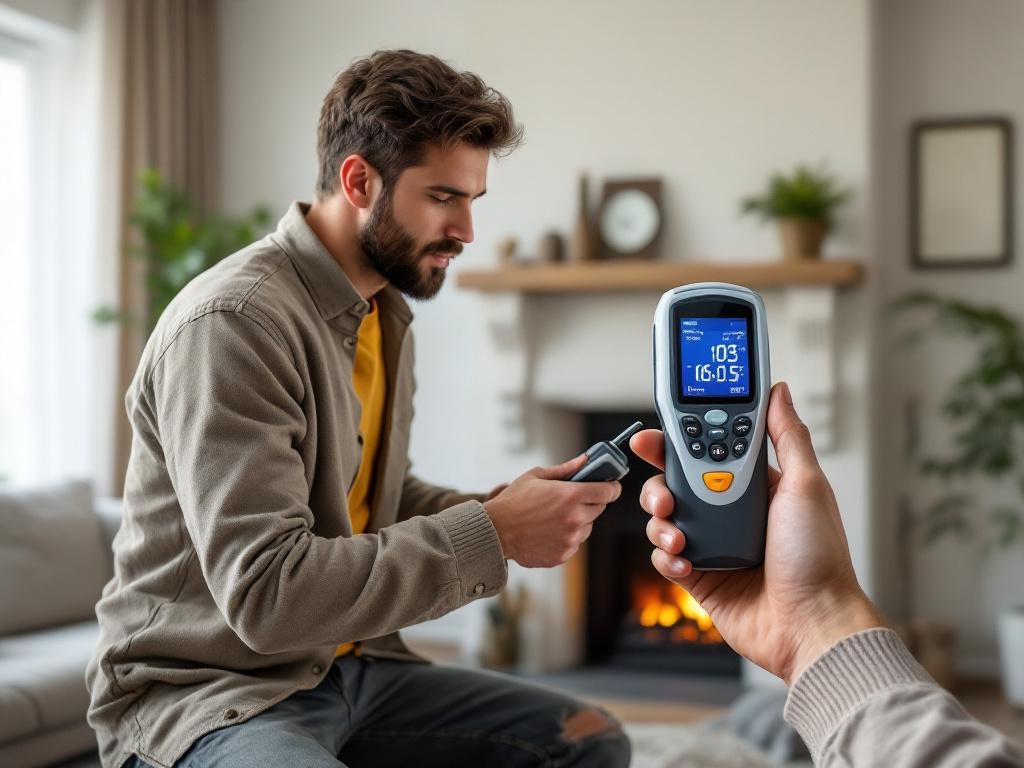
We use professional carbon monoxide detection equipment to test the air in your home and around combustion appliances. We also inspect your entire venting system to identify potential sources of CO. If problems are found, we provide repair recommendations and can perform necessary corrections to ensure safe operation.
CO Detector Recommendations
Every home with combustion appliances should have carbon monoxide detectors installed on every level. We can advise on proper placement and recommend quality detectors that provide reliable protection. CO detectors should be replaced every 5-7 years according to manufacturer guidelines.
Carbon Monoxide Detection Service Areas
We provide carbon monoxide detection services throughout the Dallas-Fort Worth metroplex. Select your city below to learn more about our local services.
Frequently Asked Questions About Carbon Monoxide Detection About Chimney Services in our service areas
What are symptoms of carbon monoxide poisoning in our service areas?
Symptoms include headache, dizziness, nausea, confusion, and fatigue - often mistaken for flu. If multiple family members experience these symptoms simultaneously, especially when home, evacuate immediately and call 911 in our service areas.
How often should I test for carbon monoxide in our service areas?
Have your chimney and heating system inspected annually to ensure proper venting. CO detectors provide continuous monitoring and should be tested monthly and replaced every 5-7 years in our service areas.
Can a fireplace produce carbon monoxide in our service areas?
Yes. Any combustion process produces CO. Properly vented fireplaces direct CO safely outside, but blocked chimneys, damaged flues, or backdrafting can allow CO into your home in our service areas.
Where should CO detectors be placed in our service areas?
Install CO detectors on every level of your home, near sleeping areas, and within 15 feet of combustion appliances. Follow manufacturer placement guidelines. Never place them directly above stoves or in humid areas in our service areas.
Related Services
Chimney Inspection
Comprehensive chimney inspections to identify safety hazards and maintenance needs.
Learn MoreChimney Smoke Test
Smoke testing to identify leaks and draft problems in your chimney system.
Learn MoreChimney Relining
Professional chimney relining to restore damaged flue liners and ensure safe venting.
Learn MoreChimney Repair
Expert chimney repair services to fix cracks, leaks, and structural damage.
Learn More